
Underfloor Heating: Is It Worth the Investment?
Thinking about underfloor heating? We break down the costs, advantages and long-term value to help you decide if it’s worth it.

Why you can trust our content
We understand that the boiler industry can be confusing, with plenty of outdated or misleading information. That’s why we rely only on trusted, proven sources to guide our advice and installations:


At a glance
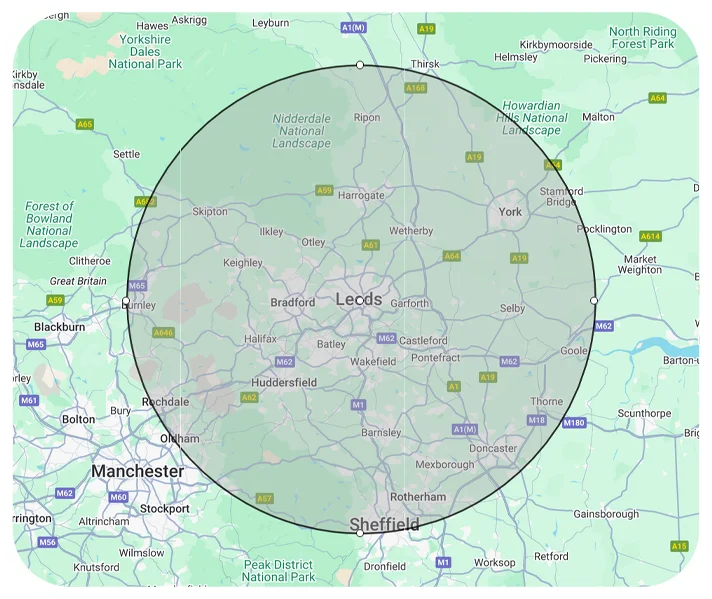
Underfloor heating is a luxurious heating upgrade being installed in many homes recently. It provides consistent warmth, eliminates the need for bulky radiators, and can improve energy efficiency. But is it really worth the investment for a home in Leeds, York, Wetherby or Castleford? Let’s explore the benefits, costs and factors to consider before deciding whether underfloor heating is right for your home.
How Does Underfloor Heating Work?
Underfloor heating systems are made up of pipes installed beneath the floor surface. This setup effectively turns the entire floor into a large heat source, evenly distributing warmth throughout the room.
Unlike traditional radiators, underfloor heating warms from the ground up, creating a more consistent and comfortable indoor temperature. It operates at a lower temperature compared to radiators, which helps improve efficiency and places less strain on your boiler.
Interestingly, underfloor heating functions more like a true ‘radiator’ than conventional radiators do. It heats the floor structure, which then radiates warmth into the space, with over 80% of the heat transfer occurring through radiation rather than convection.
Underfloor heating is particularly effective when paired with renewable energy sources, such as heat pumps, which work efficiently at lower flow temperatures. This combination can enhance energy savings while reducing the environmental impact of home heating.
The Benefits of Underfloor Heating
1. Enhanced Comfort
Underfloor heating provides a consistent warmth that spreads evenly across the entire room, avoiding cold spots. Unlike radiators, which heat the air unevenly, underfloor heating ensures a comfortable environment from floor to ceiling.
2. Improved Energy Efficiency
Underfloor heating operates at lower temperatures than radiators while still effectively heating a room. This means it can be more energy-efficient, especially when paired with a modern boiler or renewable energy source like a heat pump. The system can reduce energy bills over time, making it a cost-effective choice in the long run.
3. More Space and Aesthetics
Without radiators taking up wall space, underfloor heating allows greater flexibility in interior design. This can be particularly beneficial in smaller homes where maximising space is a priority.
4. Healthier Indoor Air Quality
Unlike traditional radiators, which circulate dust and allergens as they heat the air, underfloor heating produces less air movement. This results in improved indoor air quality, making it a great option for allergy sufferers.
5. Compatible with Various Flooring Types
Underfloor heating can be installed under tiles, wood and laminate, making it a versatile choice for different styles of homes. However, some materials, such as thick carpets, may reduce its efficiency.
What type of boiler do you currently have?

Combi Boiler

Regular Boiler

System Boiler

Back Boiler
It just takes 60 Seconds
And then you can book a free consultation
Things to Consider Before Investing
- Installation Costs
The upfront cost of installing underfloor heating varies depending on the type of system and the size of the area being heated. Water-based systems are typically more expensive to install but cheaper to run, while electric systems have lower installation costs but can be more costly to operate.
- Installation Process
Retrofitting underfloor heating into an existing property can be disruptive, especially with a water-based system that requires lifting floors and laying pipes. New builds or major renovations are ideal opportunities for installation.
- Running Costs
Although underfloor heating is generally more efficient, electricity costs can make electric systems more expensive to run compared to gas-powered central heating. A well-insulated home will help improve efficiency and reduce running costs.
- Heating Response Time
Underfloor heating systems take longer to heat up compared to radiators. However, once the desired temperature is reached, they maintain warmth for longer. Using a smart thermostat can help manage heating schedules for efficiency.
Is Underfloor Heating For You?
Underfloor heating can be a fantastic investment, particularly for those planning a renovation or new build. The long-term energy savings, improved comfort, and aesthetic benefits make it a desirable addition to any home. However, the upfront costs and installation process need to be taken into consideration.
If you’re looking for a modern, energy-efficient way to heat your home, underfloor heating could be well worth the investment. Before making a decision, get in touch with us at Real Heating Solutions and we can advise you, and supply a quote.
Related articles


What type of boiler do you currently have?
Combi Boiler
Regular Boiler
System Boiler
Back Boiler
At a glance
Underfloor heating is a luxurious heating upgrade being installed in many homes recently. It provides consistent warmth, eliminates the need for bulky radiators, and can improve energy efficiency. But is it really worth the investment for a home in Leeds, York, Wetherby or Castleford? Let’s explore the benefits, costs and factors to consider before deciding whether underfloor heating is right for your home.
How Does Underfloor Heating Work?
Underfloor heating systems are made up of pipes installed beneath the floor surface. This setup effectively turns the entire floor into a large heat source, evenly distributing warmth throughout the room.
Unlike traditional radiators, underfloor heating warms from the ground up, creating a more consistent and comfortable indoor temperature. It operates at a lower temperature compared to radiators, which helps improve efficiency and places less strain on your boiler.
Interestingly, underfloor heating functions more like a true ‘radiator’ than conventional radiators do. It heats the floor structure, which then radiates warmth into the space, with over 80% of the heat transfer occurring through radiation rather than convection.
Underfloor heating is particularly effective when paired with renewable energy sources, such as heat pumps, which work efficiently at lower flow temperatures. This combination can enhance energy savings while reducing the environmental impact of home heating.
The Benefits of Underfloor Heating
1. Enhanced Comfort
Underfloor heating provides a consistent warmth that spreads evenly across the entire room, avoiding cold spots. Unlike radiators, which heat the air unevenly, underfloor heating ensures a comfortable environment from floor to ceiling.
2. Improved Energy Efficiency
Underfloor heating operates at lower temperatures than radiators while still effectively heating a room. This means it can be more energy-efficient, especially when paired with a modern boiler or renewable energy source like a heat pump. The system can reduce energy bills over time, making it a cost-effective choice in the long run.
3. More Space and Aesthetics
Without radiators taking up wall space, underfloor heating allows greater flexibility in interior design. This can be particularly beneficial in smaller homes where maximising space is a priority.
4. Healthier Indoor Air Quality
Unlike traditional radiators, which circulate dust and allergens as they heat the air, underfloor heating produces less air movement. This results in improved indoor air quality, making it a great option for allergy sufferers.
5. Compatible with Various Flooring Types
Underfloor heating can be installed under tiles, wood and laminate, making it a versatile choice for different styles of homes. However, some materials, such as thick carpets, may reduce its efficiency.
What type of boiler do you currently have?
Combi Boiler
Regular Boiler
System Boiler
Back Boiler
It just takes 60 Seconds
And then you can book a free consultation
Things to Consider Before Investing
- Installation Costs
The upfront cost of installing underfloor heating varies depending on the type of system and the size of the area being heated. Water-based systems are typically more expensive to install but cheaper to run, while electric systems have lower installation costs but can be more costly to operate.
- Installation Process
Retrofitting underfloor heating into an existing property can be disruptive, especially with a water-based system that requires lifting floors and laying pipes. New builds or major renovations are ideal opportunities for installation.
- Running Costs
Although underfloor heating is generally more efficient, electricity costs can make electric systems more expensive to run compared to gas-powered central heating. A well-insulated home will help improve efficiency and reduce running costs.
- Heating Response Time
Underfloor heating systems take longer to heat up compared to radiators. However, once the desired temperature is reached, they maintain warmth for longer. Using a smart thermostat can help manage heating schedules for efficiency.
Is Underfloor Heating For You?
Underfloor heating can be a fantastic investment, particularly for those planning a renovation or new build. The long-term energy savings, improved comfort, and aesthetic benefits make it a desirable addition to any home. However, the upfront costs and installation process need to be taken into consideration.
If you’re looking for a modern, energy-efficient way to heat your home, underfloor heating could be well worth the investment. Before making a decision, get in touch with us at Real Heating Solutions and we can advise you, and supply a quote.
Related articles
What type of boiler do you currently have?
Combi Boiler
Regular Boiler
System Boiler
Back Boiler